Lernkarten & Themenstapel › Tuti › Proverbs from Around the World
Proverbs from Around the World · Parola de sabe de tuti tera
20 Karten in Tuti (Stufe 2.1). Du kannst alle Karten hier direkt lesen oder den Stapel mit einem Klick im Trainer üben.
Translation Practice makes perfect.
Meaning / Cultural Note Ki prowa e lerna kosa kon kalma in tuti dia, ta sa esta sekura e bona maestro.
Anyone who trains a skill patiently and regularly becomes confident and accomplished step by step.
Translation Slow and steady wins the race: he who goes slowly goes safely and far.
Meaning / Cultural Note Kalma e lento kamino porta insan plu sekura a bona fini ke rapido kore (parola de Italia).
Endurance and a calm, steady pace lead to the goal more reliably than frantic haste (Italian proverb: "Chi va piano, va sano e va lontano").
Translation The early bird catches the worm.
Meaning / Cultural Note Ki komensa in bona tempo de matina, ta esta un importante pede ante otra insan.
Those who start in good time and seize an opportunity early are a decisive step ahead of others.
Translation Little by little, the bird builds its nest.
Meaning / Cultural Note Tambien da labora nase e kresce de mol mini pede kon kalma.
Even a great work is created through many small, persistent steps (French proverb).
Translation The shrimp that falls asleep is carried away by the current.
Meaning / Cultural Note Ki no mira o dorme in importante tempo, ta perdi rekta wia (espana parola de Espana).
Anyone who is inattentive or misses the right moment loses control of the situation (Spanish proverb).
Translation Constant dripping wears away the stone.
Meaning / Cultural Note Kalma labora ke no fini pote habe witoria kon tempo supra mol difisile kosa.
Perseverance and gentle endurance overcome even the hardest resistance over time (Portuguese and Latin proverb).
Translation A guest in the house brings blessing into the home.
Meaning / Cultural Note Apri porta a amigo kon bona koro fa ta kasa plu rika e felice.
Hospitality is held in high esteem: welcoming visitors warmly enriches one's own home (Polish proverb).
Translation Drop by drop, a lake is formed.
Meaning / Cultural Note De mol mini kosa, pesa o lerna kresce kon tempo un da kosa.
Out of many small contributions, savings, or learning steps, something great grows over time (Turkish proverb).
Translation Measure seven times, cut once.
Meaning / Cultural Note Ante fa importante kosa ke insan no pote kambia bada, insan debe mira e pensa bona.
Before making an important or irreversible decision, one should examine and reflect thoroughly.
Translation A book is a garden carried in the pocket.
Meaning / Cultural Note Lerna e lege dona sabe, plasere e kalma in tuti loko ke insan esta (arabe parola de Arabia).
Education and reading offer knowledge, joy, and refreshment everywhere, no matter where you are (Arabic proverb).
Translation Patience is bitter, but its fruit is sweet.
Meaning / Cultural Note Espera e tene forte esta difisile, ma in fini labora dona bona frukto (persa parola de Persia).
Waiting and persevering is often hard, yet in the end the effort pays off (Persian proverb after Saadi).
Translation A journey of a thousand miles begins with a single step.
Meaning / Cultural Note Tambien mol da plano pote esta solo kuando insan komensa fa di un pede (cina parola de Cina).
Even the greatest undertaking can only be achieved by making a concrete start (Chinese proverb after Laozi).
Translation Fall seven times, stand up eight.
Meaning / Cultural Note Kulpa e problema esta in jiwa e lerna — importante kosa esta lewa se in tuti tempo (nipona parola de Nipon).
Setbacks are a natural part of life and learning—what matters is getting back up every time (Japanese proverb).
Translation Even monkeys fall from trees.
Meaning / Cultural Note Tambien da maestro fa kulpa in un tempo; nula insan esta sin kulpa sempre.
Even the most experienced expert makes an occasional mistake; no one is infallible (East Asian proverb).
Translation Not all five fingers of a hand are the same length.
Meaning / Cultural Note Tuti insan habe ta forte e debole kosa — no tuti persona esta sama (india parola de India).
Every person has their own strengths, weaknesses, and traits—diversity is completely natural (South Asian proverb).
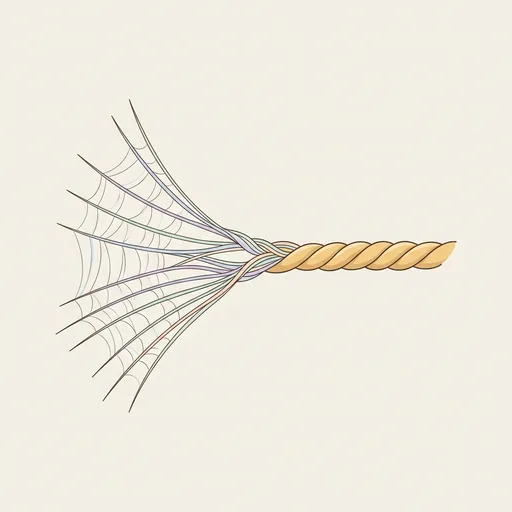
Translation When spider webs unite, they can tie up a lion.
Meaning / Cultural Note Mol debole persona pote habe da forte kuando tan labora e tene se kune.
Many seemingly weak individuals can develop enormous strength through unity and cooperation (Ethiopian proverb).
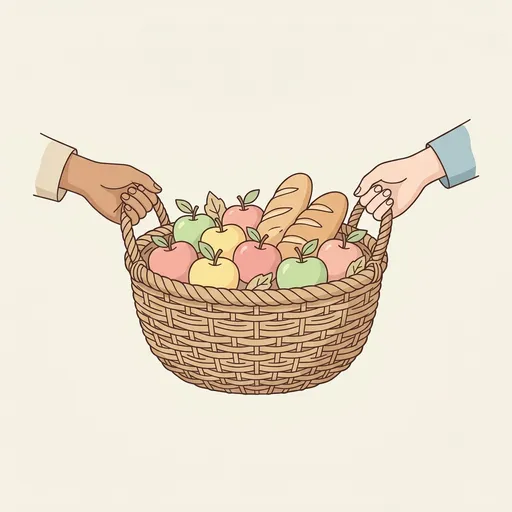
Translation A single finger alone achieves little—only together does the work succeed.
Meaning / Cultural Note Labora kune e ayuda entre amigo fa difisile kosa ke un persona sola no pote fa (suahila parola de Kenia).
Community and mutual support solve tasks that an individual cannot master alone (East African proverb).
Translation The morning hour has gold in its mouth.
Meaning / Cultural Note Kalma ora de matina esta mol bona para labora o lerna kon klara mente.
The quiet morning hours are especially well suited for working or studying with fresh focus.
Translation Still waters run deep.
Meaning / Cultural Note Ki esta kalma e silente, ta habe mol bona idea, da sabe o forte koro.
Those who appear calm and reserved often possess deep thoughts, great knowledge, or unexpected strength.
Translation Speech is silver, silence is golden.
Meaning / Cultural Note In mol tempo esta plu bona eskuca e esta silente ke dise presto mol parola.
Sometimes it is wiser to listen attentively and remain silent than to speak too many hasty words.